

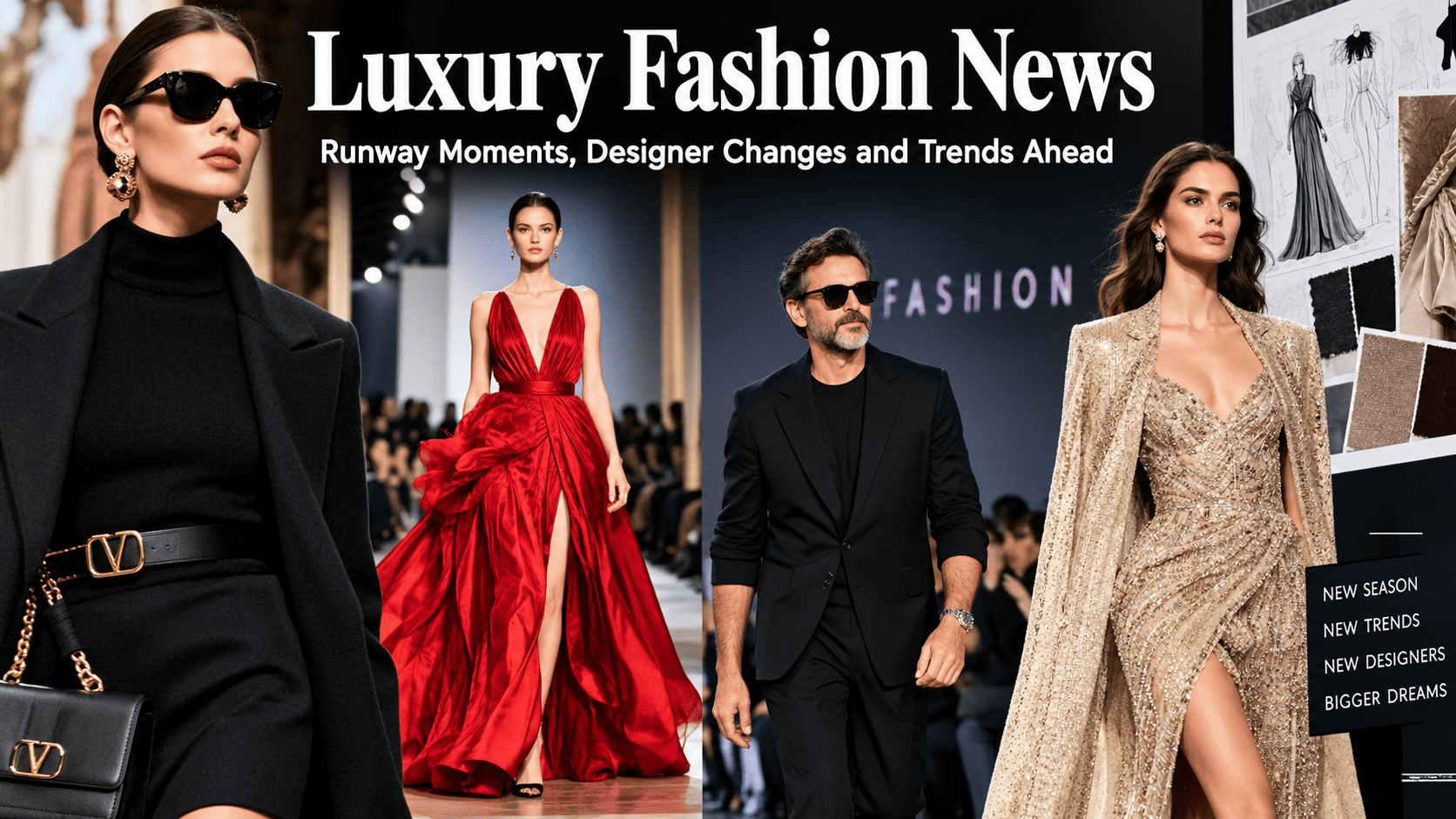
Luxury fashion news covers the latest developments in designer clothing, runway shows, exclusive collections, celebrity outfits, luxury accessories and major fashion houses. It helps readers understand changing styles, creative director appointments, emerging designers and the business decisions influencing premium labels. Following trusted fashion publications and official brand announcements allows readers to separate verified developments from rumours and short-lived social media trends.
Understanding the World of Luxury Fashion
Luxury fashion combines exceptional craftsmanship, distinctive design, premium materials and a strong brand identity. Unlike ordinary clothing coverage, high-end fashion reporting examines why a collection matters, how a designer interprets a brand’s heritage and what influences customers’ choices. Readers may follow couture presentations, designer handbags, luxury footwear, jewellery and exclusive collaborations. Understanding these elements makes fashion reporting more useful because it connects beautiful designs with the creativity, history and commercial decisions behind them.
The Latest Runway Developments Worth Following
Fashion weeks in Paris, Milan, London and New York provide important opportunities to see how designers interpret upcoming seasons. The Spring/Summer 2027 collections presented in 2026 have generated discussion around heritage, commercial appeal and fresh creative direction. Coverage from Vogue provides reporting on runway presentations, designer changes and industry trends. Rather than simply listing outfits, readers should look for recurring colours, silhouettes, materials and styling choices that reveal a broader direction across multiple collections.
How Established Designer Brands Keep Evolving
Fashion houses must balance their recognisable identity with the need to remain relevant. Chanel, Dior, Gucci, Prada and Saint Laurent each have distinctive histories, design codes and customer expectations. Creative teams may reinterpret familiar tailoring, introduce unexpected materials or experiment with new proportions while retaining recognisable elements. Recent reporting on Chanel’s Spring/Summer 2027 presentation, for example, highlights how Matthieu Blazy has approached signature tweed, expressive prints and accessories. These developments show why a collection is best understood through both its new ideas and its relationship with the house’s heritage.
Why Creative Director Changes Matter
A creative director influences a fashion house’s visual identity, runway presentations and long-term design direction. A new appointment can introduce different silhouettes, revive archival references or attract customers who previously overlooked the brand. However, a leadership change does not automatically guarantee commercial success. Retailers, fashion editors and customers need time to evaluate the results. Readers should distinguish confirmed appointments and departures from speculation, and examine how a designer’s first collections develop over subsequent seasons. This approach provides more meaningful insight than treating every personnel announcement as a dramatic turning point.
Celebrity Style and Red-Carpet Fashion
Celebrity appearances remain an influential part of the luxury market because they introduce designer creations to large audiences. Film premieres, award ceremonies, fashion shows and carefully planned street-style appearances can bring attention to gowns, watches, handbags and footwear. Nevertheless, a photograph does not always reveal whether an item was purchased, borrowed, gifted or supplied under a commercial agreement. Responsible fashion reporting identifies the designer when verified, describes the styling accurately and avoids presenting sponsorship assumptions as facts. Readers gain a clearer understanding of how celebrity visibility affects fashion conversations.
Designer Handbags and Accessories That Shape Trends
Handbags, sunglasses, belts, jewellery and shoes often communicate a luxury brand’s identity as strongly as clothing. Some consumers prefer understated designs with minimal logos, while others favour recognisable hardware, distinctive prints or prominent branding. These preferences can change with seasonal collections, celebrity appearances and social media attention. When evaluating an accessory trend, consider its design, construction, versatility and price rather than relying entirely on popularity. A practical report should also explain whether the item is a new release, a returning design or a familiar style experiencing renewed attention.
Quiet Luxury Versus Statement Dressing
Quiet luxury generally emphasises refined materials, restrained branding, thoughtful tailoring and subtle details. Statement dressing takes a different approach, using vivid colours, bold prints, oversized accessories or immediately recognisable design features. Neither direction is universally better; each reflects different tastes and occasions. The two can also coexist within the same wardrobe. Readers can use this comparison to understand why luxury styling moves between minimalism and visual impact rather than following one permanent rule. The most useful trend coverage explains how these approaches work in everyday dressing and how designers reinterpret them.
Sustainability and Responsible Luxury Production
Sustainability has become an important subject in discussions about premium fashion. Consumers increasingly want information about material sourcing, product durability, repair services, resale programmes and manufacturing transparency. However, a high price does not automatically make a garment sustainable, and claims such as “eco-friendly” require supporting evidence. Readers should look for specific disclosures about materials, production methods and product life cycles. Brands that provide measurable information are easier to assess than those relying on broad environmental promises. Independent reporting can help distinguish practical progress from marketing language.
Vintage Fashion, Resale and Investment Pieces
Pre-owned designer fashion gives consumers another way to access established labels while extending the useful life of existing products. Vintage handbags, archival garments and discontinued accessories can attract collectors because of their design history, rarity or cultural significance. Yet resale prices are not guaranteed to rise, and most luxury purchases should not be treated as financial investments. Buyers should verify authenticity, inspect condition, compare recent selling prices and understand return policies. These checks are particularly important when purchasing from unfamiliar marketplaces or private sellers offering unusually attractive prices.
How Social Media Changes Luxury Fashion
Instagram, TikTok, online magazines and creator-led videos can spread fashion trends rapidly. A runway look that once reached mainly industry insiders can now circulate globally within hours. This visibility helps emerging designers find audiences, but it also encourages exaggerated claims, incomplete product information and pressure to purchase newly popular items. Readers should verify product names, release dates and designer credits before sharing a story. For publishers, social media works best as a discovery tool rather than the sole source of factual reporting.
Emerging Designers and New Creative Voices
Established fashion houses attract attention, but emerging designers often introduce ideas that influence the wider industry. Their work may experiment with unusual construction, cultural references, innovative textiles or unconventional presentation formats. Following graduate showcases, independent labels and carefully selected fashion-week presentations can help readers discover talent before it becomes widely recognised. Good coverage should explain what distinguishes a designer’s work instead of simply labelling someone the next major name. Context, original interviews and verified background information make these stories more informative and credible.
Luxury Menswear and Changing Personal Style
Luxury menswear now encompasses much more than formal suits and traditional occasionwear. Contemporary collections explore relaxed tailoring, knitwear, technical outerwear, statement footwear and accessories that cross conventional style boundaries. The most useful reporting explains how these designs can be worn, what makes their construction distinctive and which elements are likely to remain practical beyond one season. Readers should also consider fit, fabric care and wardrobe compatibility before investing in expensive pieces. Understanding the purpose of a trend helps shoppers make considered decisions instead of buying something solely because it appeared on a runway.
Fashion Business, Pricing and Consumer Behaviour
Behind every collection is a business balancing creative ambition, production costs, distribution and customer demand. Pricing decisions, store openings, leadership changes and retail performance can influence how a brand develops its products and communicates its identity. Industry publications such as Business of Fashion provide reporting on luxury companies and market developments. Readers should distinguish reported financial results from analysts’ opinions and predictions. This business perspective adds depth to fashion coverage by explaining why brands may change their product ranges, retail strategies or creative priorities.
How to Find Reliable Fashion Updates
Not every viral post or anonymous account provides accurate information. Readers looking for trustworthy reporting should compare official brand announcements with established publications and reputable industry sources. The following checks are especially useful:
- Verify the source: Look for a named author, publication date and supporting evidence.
- Check the original announcement: Confirm appointments, collection releases and collaborations through the relevant brand or designer.
- Separate fact from opinion: A critic’s review is not the same as a confirmed industry announcement.
- Check dates and context: Older photographs and reports can circulate as if they describe current developments.
- Compare independent coverage: Multiple credible reports can help clarify disputed or developing stories.
These habits reduce confusion and make fashion research more dependable.
What Readers Should Expect From Future Fashion Coverage
Fashion reporting will continue to connect creative design with technology, consumer behaviour, sustainability and the changing expectations of luxury customers. Digital presentations and social media will remain important, while physical craftsmanship, brand heritage and the experience of shopping in person will continue to matter. Readers should watch for verified designer announcements, new collections, material innovations and changes in how brands reach customers. The most useful coverage will not merely announce what is new; it will explain why a development matters and what evidence supports the story.
Conclusion
Luxury fashion is best understood as a combination of creative expression, craftsmanship, cultural influence and business strategy. Following designer collections, runway reports, celebrity styling, resale developments and sustainability initiatives gives readers a more complete picture of the industry. The strongest reporting separates confirmed facts from speculation and explains trends with useful context. For anyone interested in premium style, a balanced mix of trusted publications, official announcements and thoughtful analysis offers a reliable way to stay informed without chasing every passing trend.
Frequently Asked Questions
1. What does luxury fashion news cover?
It covers designer collections, fashion weeks, luxury accessories, creative director changes, celebrity styling, sustainability and developments affecting high-end fashion brands.
2. Where can I read reliable luxury fashion updates?
Start with established publications such as Vogue and Business of Fashion, then verify important announcements through official designer and brand channels.
3. What are the main luxury fashion trends in 2026?
Recent coverage has highlighted heritage-inspired designs, expressive accessories, bold prints, evolving silhouettes and renewed attention to how luxury collections balance creativity with wearability. Trends differ by designer and season.
4. How can I tell whether a luxury fashion story is trustworthy?
Check its publication date, author, original sources and supporting evidence. Confirm important announcements independently and treat anonymous rumours or unsupported predictions cautiously.